How Holistic Architecture Shapes Better Spaces

How Holistic Architecture Shapes Better Spaces

In today’s evolving design landscape, architecture is no longer limited to just building structures. It has transformed into a comprehensive process that integrates multiple disciplines to create spaces that are functional, sustainable, and meaningful.

Holistic architecture is at the core of this transformation. By bringing together experts from various fields—architecture, interior design, engineering, landscape, and planning—it ensures that every element of a project works in harmony.

What is Holistic Architecture?

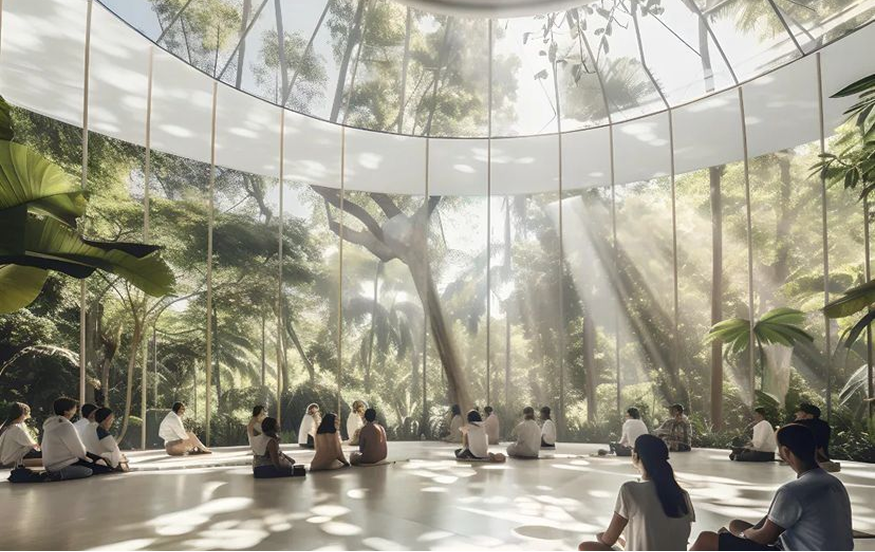
Holistic architecture is an approach that considers the entire ecosystem of a project rather than focusing on isolated components. It blends design, functionality, environment, and human experience into a unified solution.

Instead of treating architecture, interiors, and planning as separate processes, holistic design connects them to create a seamless and efficient outcome.

The Role of Multi-Disciplinary Collaboration

One of the key strengths of holistic architecture is multi-disciplinary collaboration.

A successful project involves coordination between:

Architects

Interior Designers

Structural Engineers

Landscape Designers

Urban Planners

Project Managers

Why Collaboration Matters

1. Better Design Integration

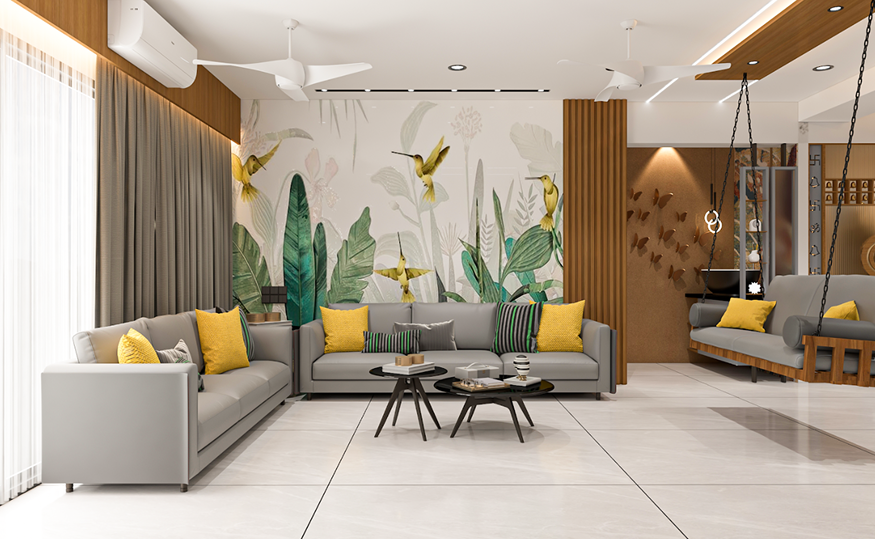
When all teams work together, the result is a cohesive design where architecture, interiors, and landscape complement each other.

2. Improved Efficiency

Collaboration reduces design conflicts and minimizes delays during execution.

3. Cost Optimization

Early coordination helps identify potential issues, reducing costly changes later.

4. Enhanced User Experience

A well-integrated design creates spaces that are more comfortable, functional, and visually appealing.

Real-World Application

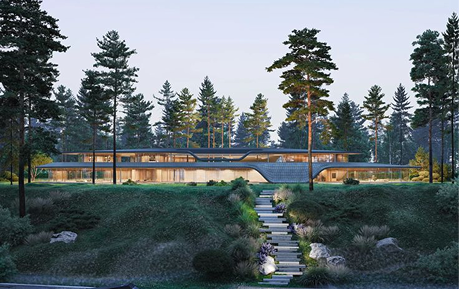
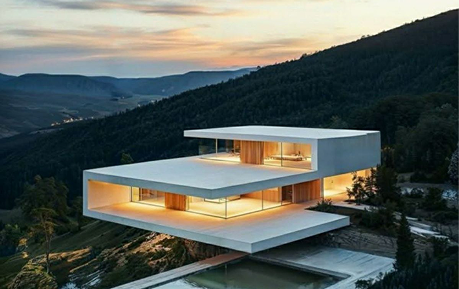
In projects like modern commercial buildings or sustainable residential developments, holistic architecture plays a critical role.

For example:

The Future of Architecture

The future lies in integrated, collaborative design. As projects become more complex, the need for holistic architecture will continue to grow.

Firms that embrace collaboration and innovation will lead the way in creating smarter, more sustainable spaces.

The Future of Architecture

Conclusion

Holistic architecture is more than a trend—it is a necessity in modern design. By combining multiple disciplines into a unified process, it creates spaces that are efficient, sustainable, and impactful.

At GISA Architect, we believe in the power of collaboration to deliver projects that go beyond expectations and truly shape better spaces.

Recent Posts