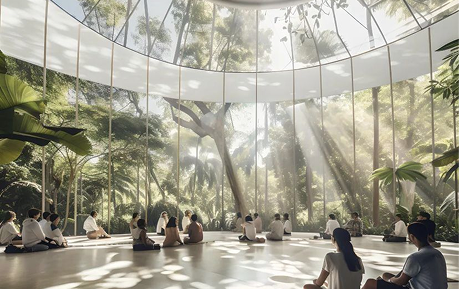
The Power of Integrated Design Thinking

The Power of Integrated Design Thinking

The Power of Integrated Design Thinking-1

Design today is no longer about isolated disciplines working independently. Buildings don’t exist in a vacuum—they interact with people, cities, nature, and long-term economic goals. This is where Integrated Design Thinking becomes transformative.

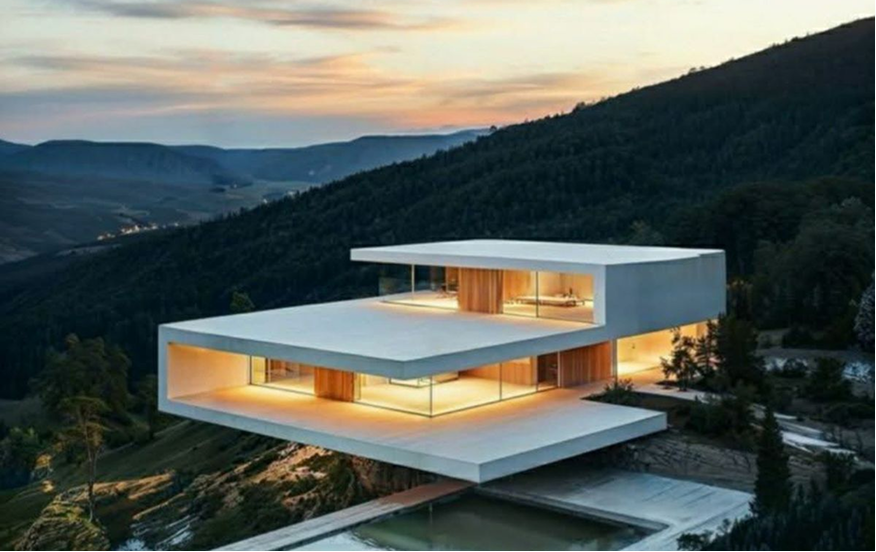
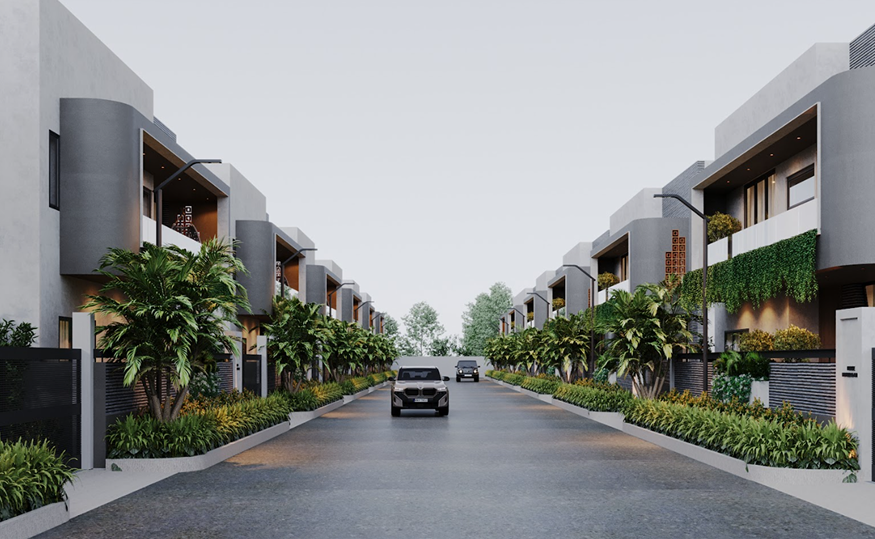
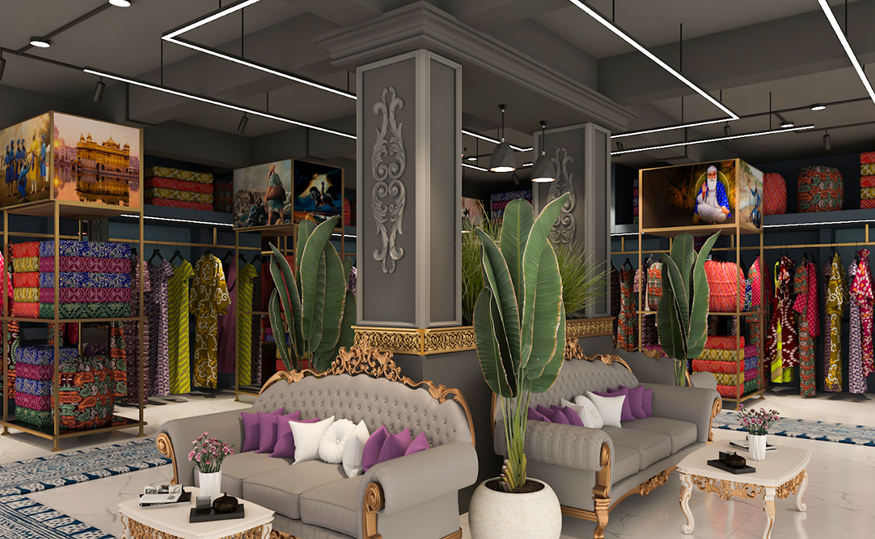
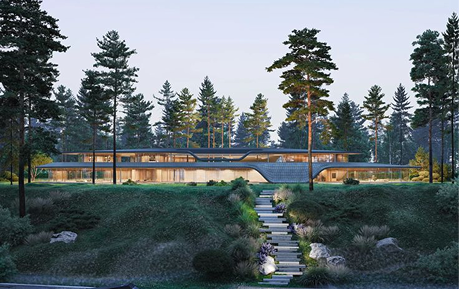
Integrated Design Thinking is a holistic approach that brings together architecture, interior design, landscape, urban planning, and strategic planning into a single, collaborative process. When these disciplines overlap intentionally, the result is not just visually appealing spaces—but environments that perform better, last longer, and create meaningful human experiences.

What Is Integrated Design Thinking?

Integrated design thinking is a holistic approach where multiple design disciplines collaborate from the very beginning of a project. Instead of working in silos, teams align around a shared vision, ensuring every decision supports performance, functionality, and long-term value.

Why Integration Matters

Traditional design methods often lead to disconnected spaces, higher costs, and inefficiencies. Integrated design solves this by:

Why Integration Matters

The Overlap of Disciplines

True value emerges where disciplines intersect:

Each layer strengthens the others.

Sustainability as a Natural Outcome

When design is integrated, sustainability is not an add-on—it is built in. Optimized resources, reduced waste, better energy performance, and healthier environments are natural results of this approach.

Sustainability as a Natural Outcome

The Future of Design

Integrated design thinking represents the future of the built environment. By combining creativity, engineering, and strategy, it delivers spaces that are not only visually compelling but also purposeful, adaptable, and enduring.

Closing Thought

When design disciplines work together, spaces become systems—and systems create lasting impact.

Recent Posts